
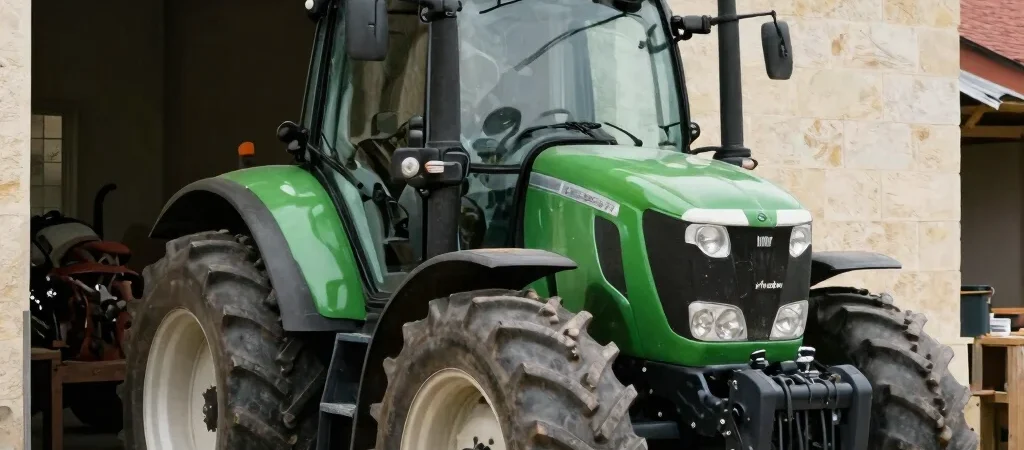
When a tractor starts interrupting fieldwork, the pressure to replace it can feel immediate. But a new machine is only one possible answer, and the right choice depends on the jobs, hours, and timing a farm actually needs. The clearest comparison begins with the work—not the brochure.
List the jobs first
Write down the tractor’s main tasks across the year: transport, cultivation, loader work, or operations with particular implements. Note when each task happens and what a breakdown would delay. That calendar can reveal whether one versatile machine is essential or whether a specific seasonal bottleneck is driving the decision.
Compare the whole cost
Purchase price is only one line in the calculation. Include financing, insurance, maintenance, fuel, expected downtime, and the value of any trade-in, using figures specific to the farm rather than assumed savings. A repair may look inexpensive until lost working time is considered; replacement may look attractive until financing and annual use are put side by side.
Keep alternatives in view
Depending on the farm and local arrangements, alternatives might include repairing the existing machine, sharing equipment, or hiring a contractor for a limited operation. Each option changes control, availability, and responsibility for maintenance, so compare practical terms rather than treating them as interchangeable. Advice: build a simple annual-cost comparison with your own records, then check financing and tax questions with qualified advisers before committing.