
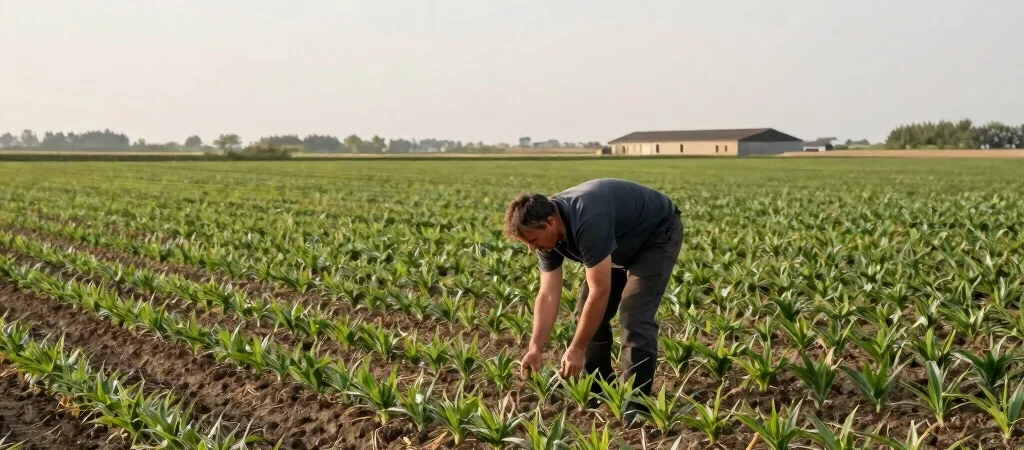
A field of young cover crop can look like an easy win from the roadside. For the farmer, the decision is less simple: the seed has to fit the rotation, the soil has to be workable, and the crop must be managed before the next one needs the field. Cover crops are tools, not a finish line.
Start with the field’s job
Before choosing a mix, name the job: keeping soil covered, adding roots between cash crops, or fitting a livestock need into the rotation. A field in the Beauce after a summer crop may present different timing and establishment challenges from a field in a wetter part of western France. The label on a seed bag cannot make that local decision.
Timing matters more than appearance
Establishment depends on the gap between harvest and the next operation, along with seedbed conditions and available moisture. A late, uneven stand may not deliver the same result as a well-established one, even if both fields look green later in the season. Plan sowing and termination around the following crop, not around a photograph of a lush cover.
Count the work and trade-offs
A practical plan accounts for seed, drilling or broadcasting, extra passes, and the time needed to end the cover. In a dry spell, water use can become part of the trade-off; on difficult ground, access and machinery timing may be just as important. Advice: compare the proposed cover with the needs of the next crop and ask a local agronomist about suitable species and management for your soil and rotation.